A while back I was brainstorming with a colleague about a topic to explore from a econometric/data-science perspective to blog about. My preference for a topic was one that was deeply German and reflective of the regional differences that characterize Germany.
The colleague sent me a link to what looked at first sight the perfect data. A Reddit thread where more than six thousand people had filled in the price of their local Döner shop.
The data contained limited, yet somewhat useful and interesting, information, in particular: Price, postcode and state.
My original plan was to download the data, match it with all sorts of data in the public domain, explore it, read everything there ever was on the cultural and historical significance of the Döner and once I had developed sufficient qualitative expertise in the filed of döner I was going to come up with a profound theory of German society through the lens of the döner.
And I was going to write all of it in what is now my third language, German.
And then I remembered my acute attention disorder. Which will, no doubt, completely derail this plan and lead to yet another folder on my computer with tons of analysis, tons of insights and tons of really interesting summary stats that I invested weeks of my very limited spare time on producing but no one will ever see, because I did not reach the final objective of a grand theory and proof.
So, this time around I am going to do something different. I am going to take the reader on the roller coaster ride of an analytical mind, plagued with ADHD. I will dump random facts. I will do some analysis. I will make some maps and some clever charts. I will dump some data tables on you, and no doubt bore you with long rants on quality of data, all the problems and the never ending story of cleaning it and making assumptions.
If I don’t see a dog with a ham half way through and start chasing it for the ham (Homer et al., 1993), I might even make a discovery about the döner that someone might find mildly interesting.
Strap in.
What is a döner?
The Germans have a deep regional identity. They are like the Irish with their counties. Every regional entity (often the state, or a subset of it) has it’s own tradition and food. The most obvious one is Bavaria, where they eat, among other things, white-sausages with candy-mustard (it’s tasty). The Berliner are incredibly proud of their local delicacy: a sausage with ketchup and a bit of curry powdered over the sauce. And in my home state of Hessen they drink a very sour (yet yummmy) apple wine, nom-nom-nom.
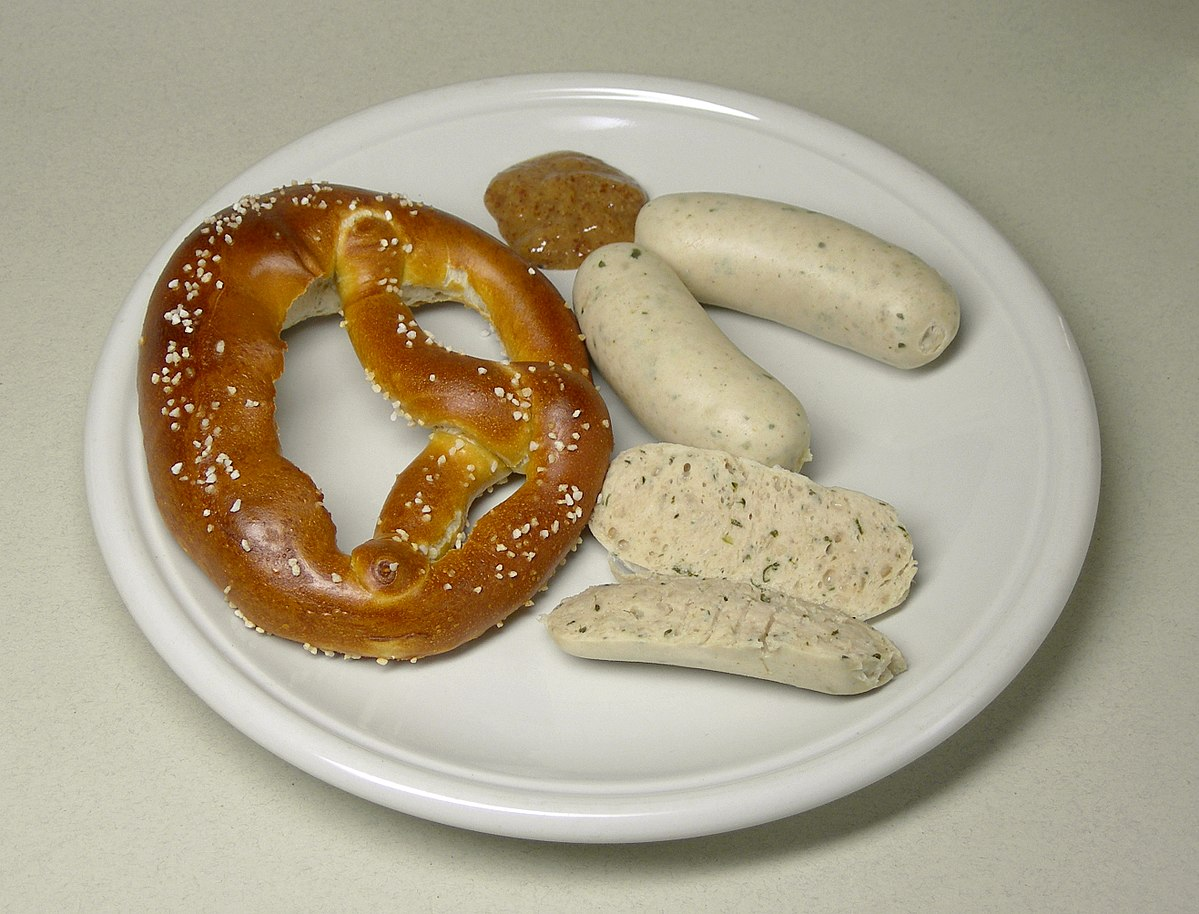
Given the mixing and mingling of different Germans, the local traditions have now traveled. I, for example, sometimes eat a white-sausage-with candy-mustard in the Hinterland of Hessen (although I don’t think the Bavarians drink any of our apple wine–your loss, suckers!).
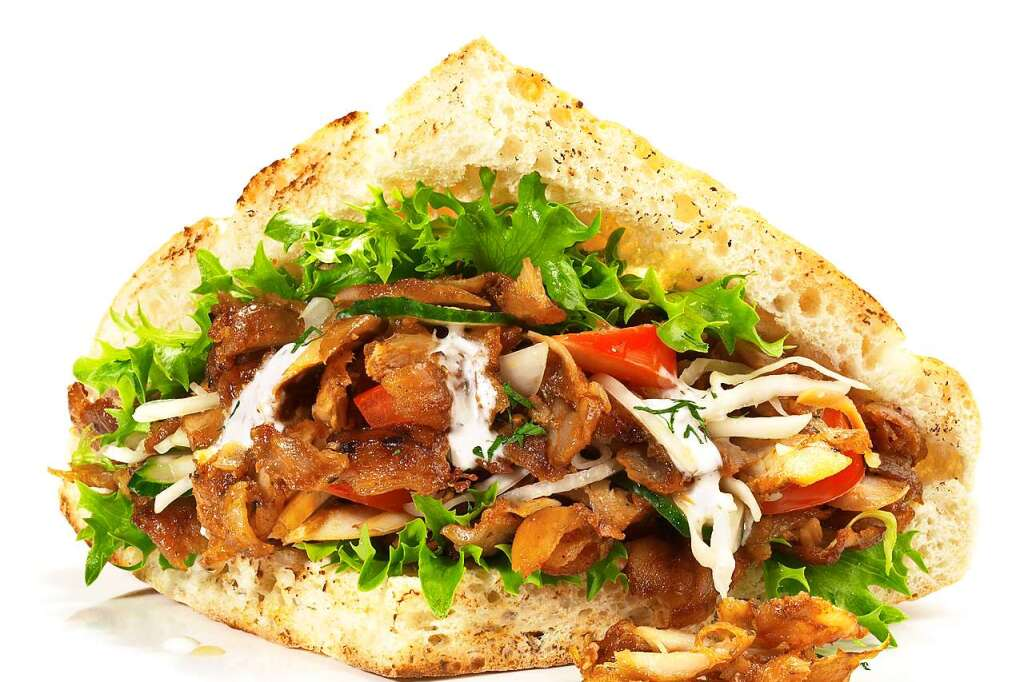
But the dish that unites all Germans, is more or less as popular everywhere–Hamburg, Stuttgart, Berlin or Raunheim– is the finger licking treat called döner-kebab. Thin cuts of meat piled on top of some salad and veg, swimming in garlic sauce, all inside a quarter of a round yummy white Turkish bread called pide.
Hamburg pays most, Thüringen least
I will set my objective to share one post a week on my döner exploration. Before I end this post, I will give you a high-level teaser of the Reddit data. I am now taking the data more or less at face value and doing minimal data cleaning and sens-checks (at a later stage I will dig deeper into the data and the problems).
But, hey, here is a map of the average döner price for each German state:
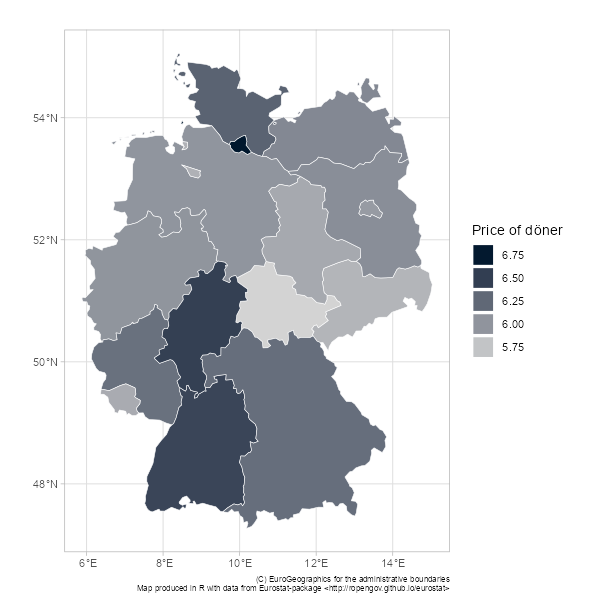
The map above is aggregated at the state level. The average döner in the sample costs €6.16 (median €6). It looks like the suckers in Hamburg pay the most for their döner (€6.7), which is, to be honest, not very interesting nor exciting. It is a wealthy city-state. Given the number of döner shops in Frankfurt charging €10 (more on that in a later post), I suspect that Hamburg ain’t all that expensive in comparison to other big and prosperous cities.
The winners of the döner lottery are the citizens of the state Thüringen. They get their döner at the low-low price of €5.7. Again, that not all that surprising given the socioeconomic parameters (and I will get better into all of that later).
Before I put a stop to this I want to present you with another chart, a chart that shows the price of each döner shop in the Reddit sample ordered by price. And it is a really cool chart (not the look, but the content):
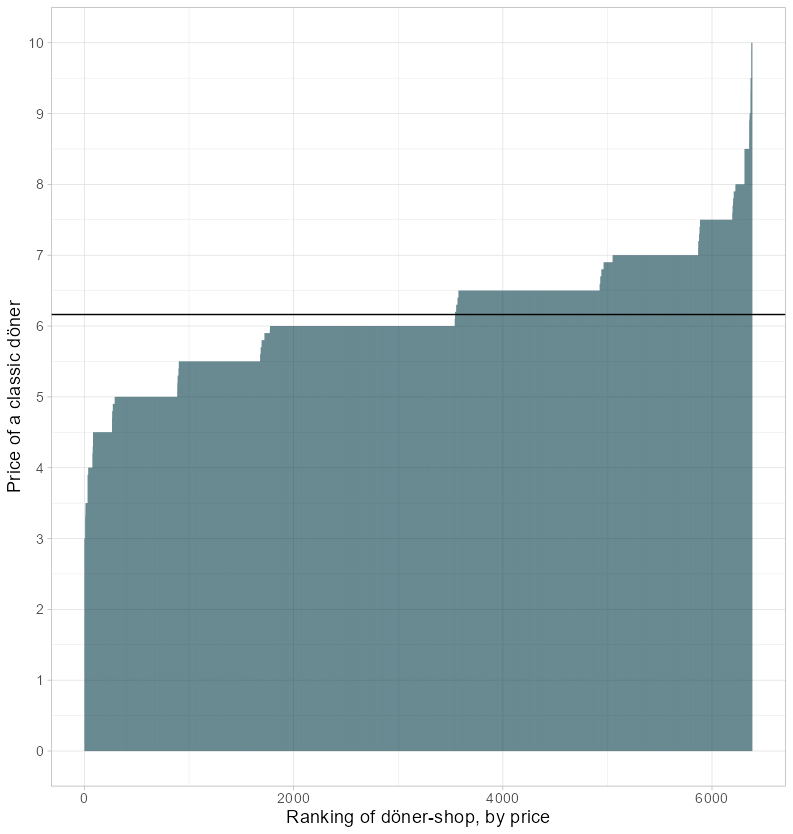
What it shows is the average price (black line) and then the price at each shop. note how döner shops don’t like the €X.99 or €X.90 pricing, like so many supermarkets. a few do (see the little steps before each kink in the chart), but most of them just price in a sensible way, €X.00 or €X.50, they price in a way that does not leave you with pocket full of god-damn useless euro cents.
That is all from me. Hope you got something out of this. More next week.
————–
FOOTNOTES
My R-project folder is a total mess. I do intend to tidy it up as I do the analysis and at some point in this project, when the state of R-project folder affairs is not as deeply embarrassing, I will share all my work on my Githup page.
 Eikonomics
Leave a comment